
How two founders built the firm they wish they had
FNDRS started with a pattern its founders kept seeing: owners selling for less than the business was worth. This is how that became a framework, a firm, a platform, and a community of founders.
Chapter 01The itch
Founders were leaving money on the table
The founders of FNDRS had each faced the question of what their own company was worth, and they kept seeing the same thing happen to other owners. A good business went to market before it was ready, and the price reflected the gaps instead of the years of work. It was not bad luck. It was everything a buyer could see and the owner could not.
The idea behind the firm was simple. If a buyer prices a business element by element, you should be able to see the same elements, score each one, and fix the ones that cost you the most before a buyer ever looks.
- When it started
- 2023
Chapter 02The book
Exit Elements put the idea on paper
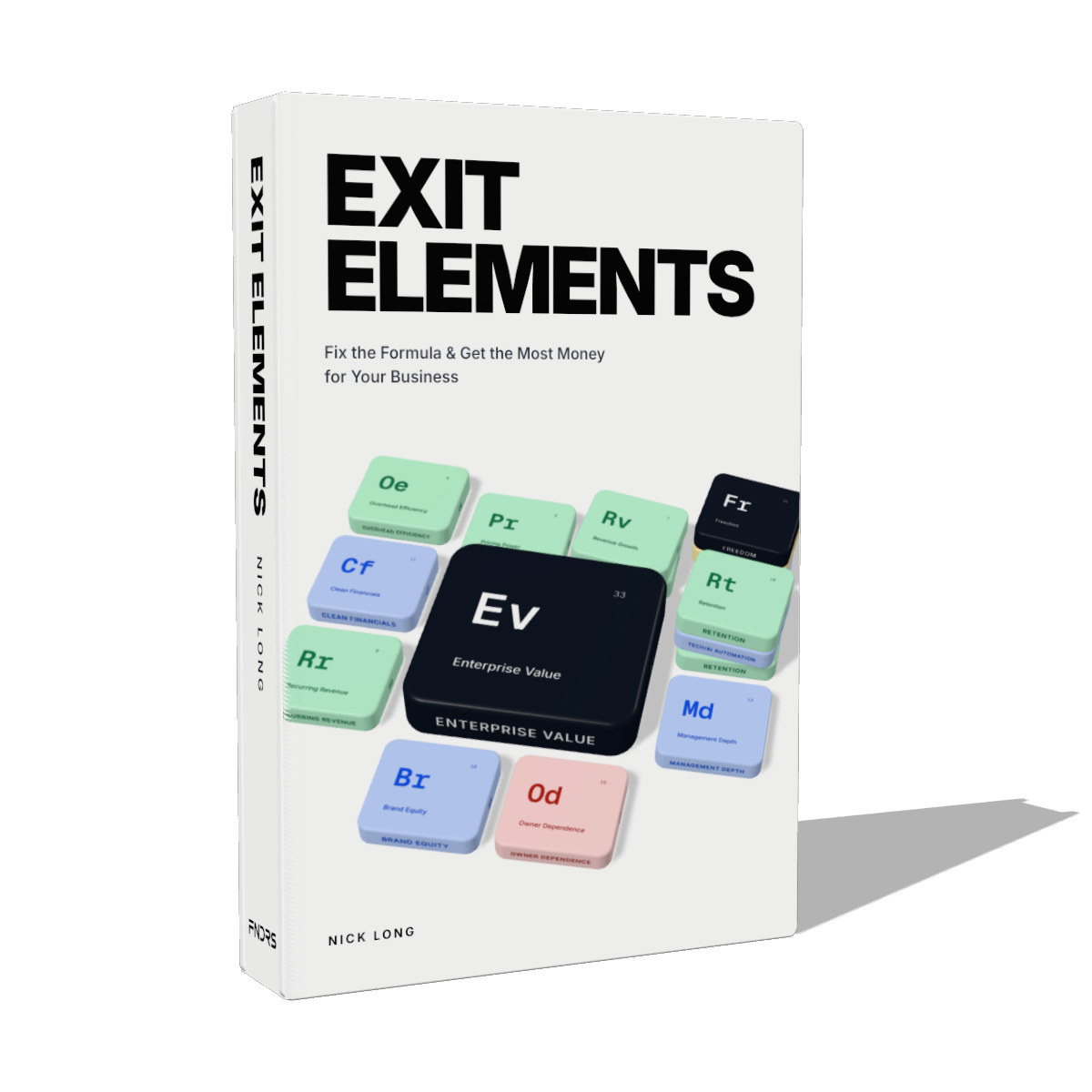
Nick Long, CEO and co-founder, wrote Exit Elements to name the elements a business is made of and to show owners how to score them. The book arranges 36 elements in seven families, describes the six compounds they form, and scores each element from 0 to 100 in the assay, today and at target.
That table became the FNDRS Elements®, the framework every engagement reads from. The gap between today and target is your roadmap, and the scores set the plan.
- Publication
- Coming 2026
Chapter 03The firm
Everything an exit needs, inside one firm
The firm was built so an owner never has to change teams. An exit advisor builds the value up. When the number is right, the M&A team, led by Scott Stepanik, takes the business to market. The plan for the proceeds is in place before the wire lands.
Those are three practices inside the firm. From where you sit, it is one team that stays with you from your first valuation to the years after the sale.
- Year founded
- 2024
- Headquarters
- Las Vegas, NV
Chapter 04The platform
The valuation became software
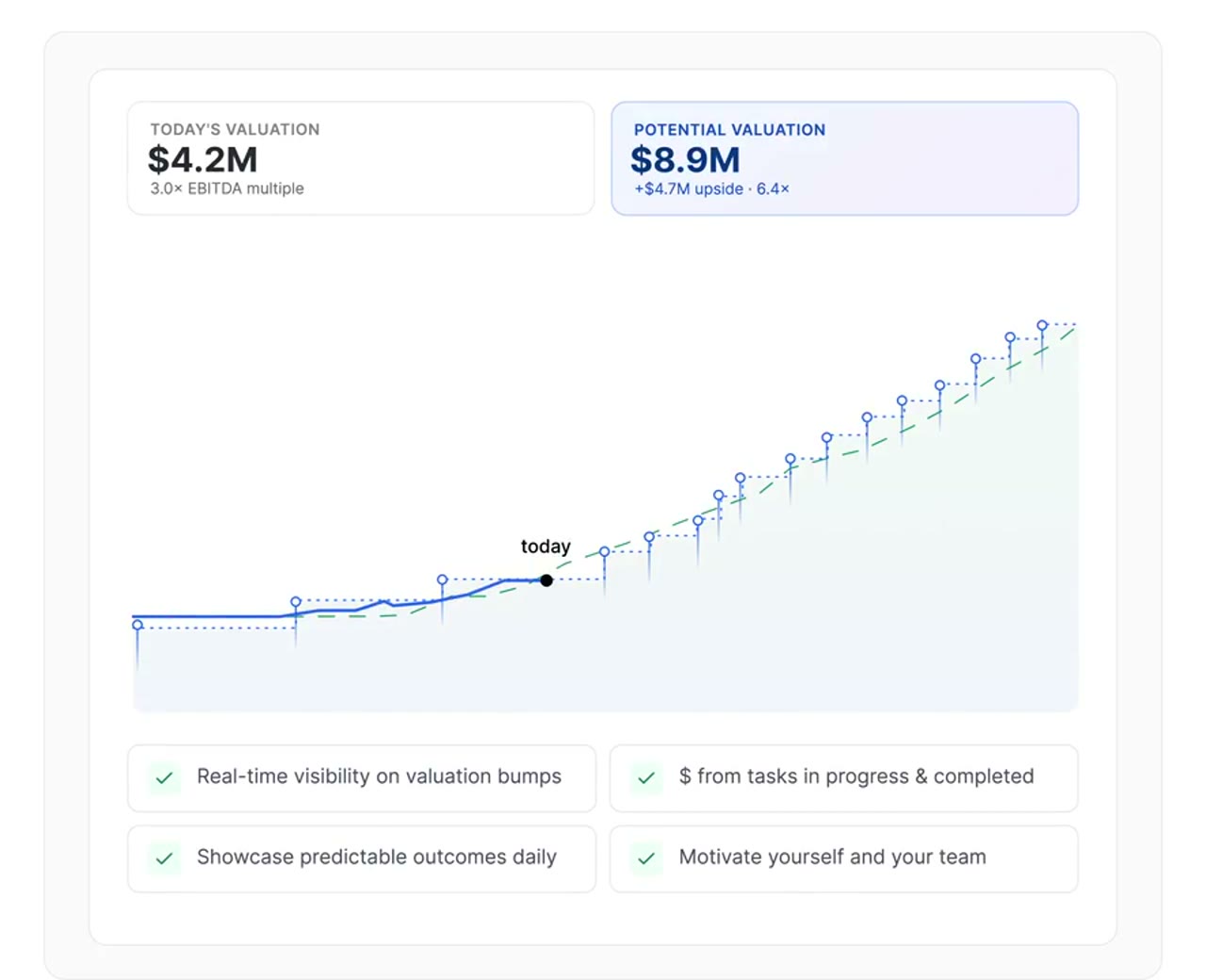
Scoring 36 elements by hand for every owner was never going to hold up, so FNDRS built a platform to do it. It gives you an investor-grade valuation and a roadmap: your gaps ranked, the work in order, and your value tracked as it rises.
The platform comes in at your valuation and stays through the work that follows, all the way to market. You, your advisor, and your dealmaker are always looking at the same number.
- Platform launched
- 2026
Chapter 05The room
Where founders meet FNDRS
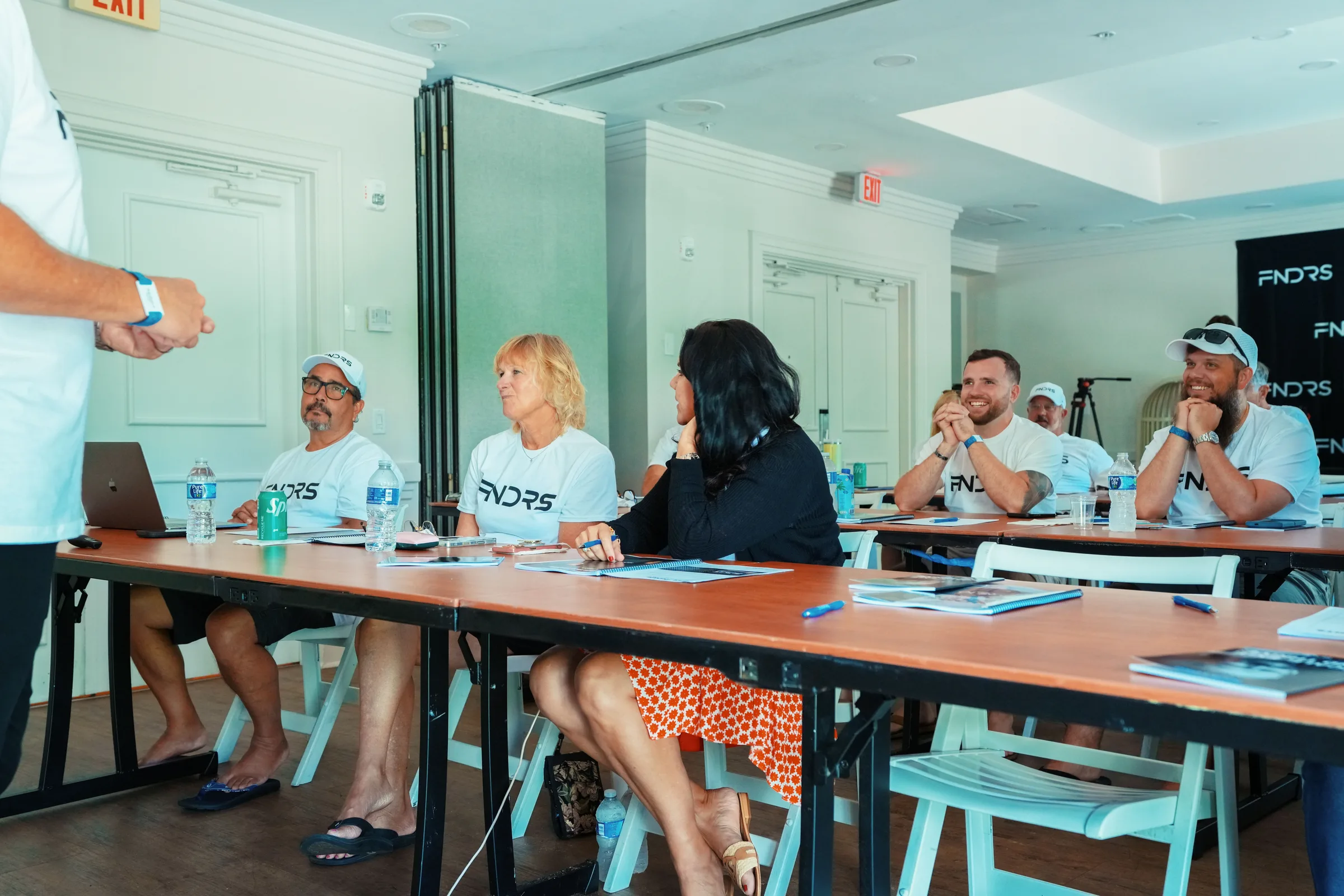
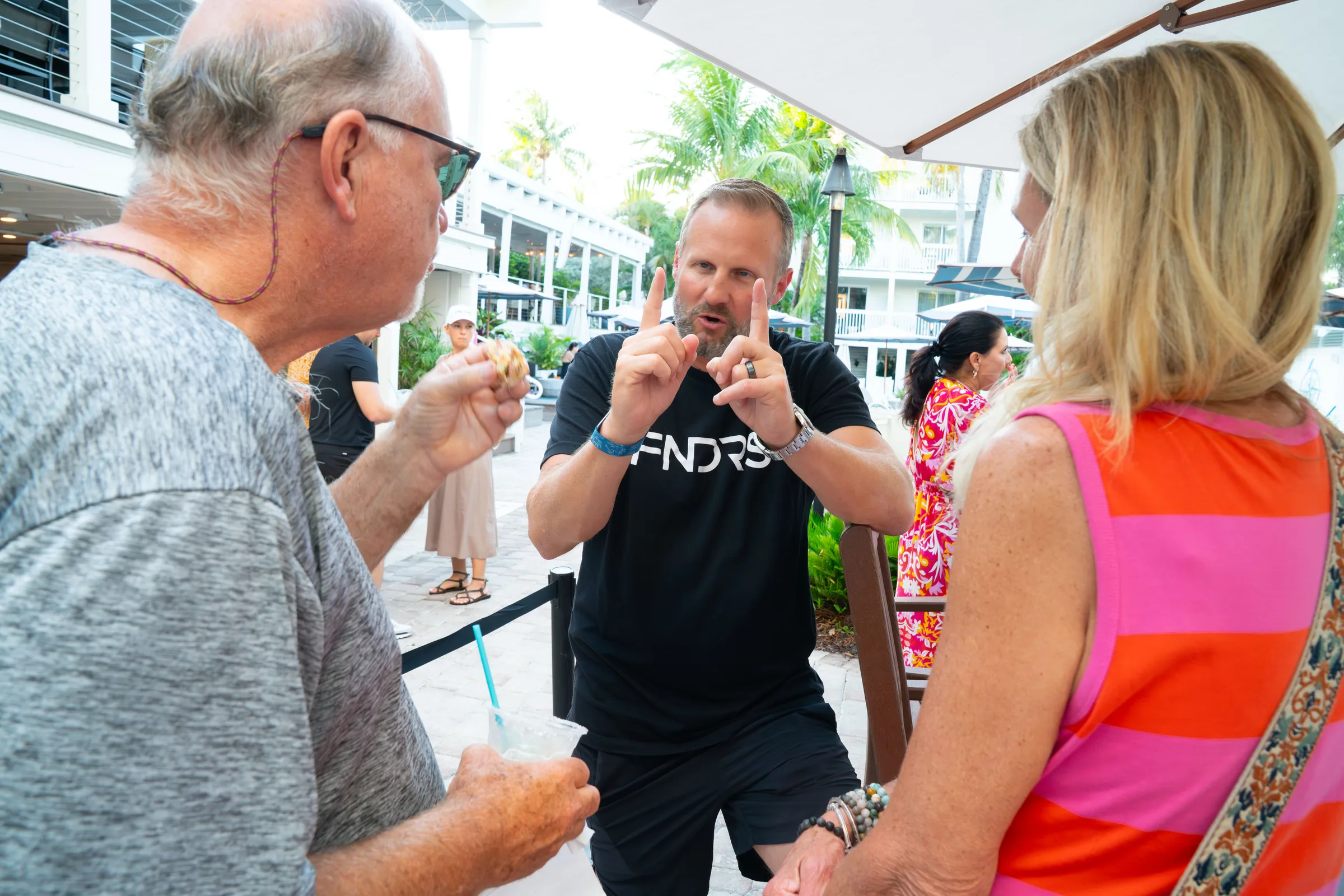
The work goes faster alongside owners on the same path. FNDRS brings founders together in person through workshops, cohorts, and a yearly summit. The FNDRS podcast brings those same conversations to you between events.
In the room you will find founders who have faced a sale, the advisors who work with owners every week, and owners working through the same roadmap you are. The Q4 2026 summit is Deal by design, in Palm Springs in October.
- Q4 2026 summit
- Deal by design, Palm Springs, October 2026
- Founders in the room
- 80+
Chapter 06What comes next
Where FNDRS goes from here
The plan is not complicated. Keep scoring businesses honestly. Keep fixing what costs owners the most first. Keep running every sale with care, and keep the plan for the proceeds ready before the wire lands.
If you lead a business between $3M and $30M in revenue and a sale is somewhere ahead of you, it starts with knowing where you stand today.
- Where to start
- Your valuation
- How long it takes
- 10 minutes
Why FNDRS exists
Built for the founder we used to be
Nick Long on the gap he and Troy Hoffman found on their own way to an exit, and why they built one place to close it: one plan, one team, from founders who have been in the chair.
 Nick LongCEO and co-founder
The book behind the firm
Exit Elements
Fix the Formula & Get the Most Money for Your Business
Your business is worth what a buyer will pay, and this book shows you how to change that number. Every factor that moves what a company is worth, how easily it transfers, and how much of the proceeds an owner keeps is one of 36 elements, arranged in a periodic table across seven families. The elements combine into the compounds buyers underwrite, and each one is scored from 0 to 100 in the assay, today and at target, so the gap between the two scores tells you what to fix first.
Build value. Exit better.
Whether the sale is next year or next decade, the work starts with knowing where you stand today.