
Selling a business
Sell my business: the questions founders ask
Most owners ask these in private long before they ask them out loud. Here are the real ranges and the real timelines, with no obligation to speak to anyone.
The questions
What founders ask before they ask anyone
Less depends on your profit than on how much of it a buyer believes will continue after you leave. Every sector trades within a band of EBITDA multiples. Businesses at the bottom of the band are small, owner-dependent, and concentrated; businesses at the top are larger, systematized, diversified, and growing. As an illustration, a typical lower-middle-market band runs from about 4.5x to 7.5x adjusted EBITDA, and ranges vary by sector, size, and cycle. The exit score shows where yours sits today.
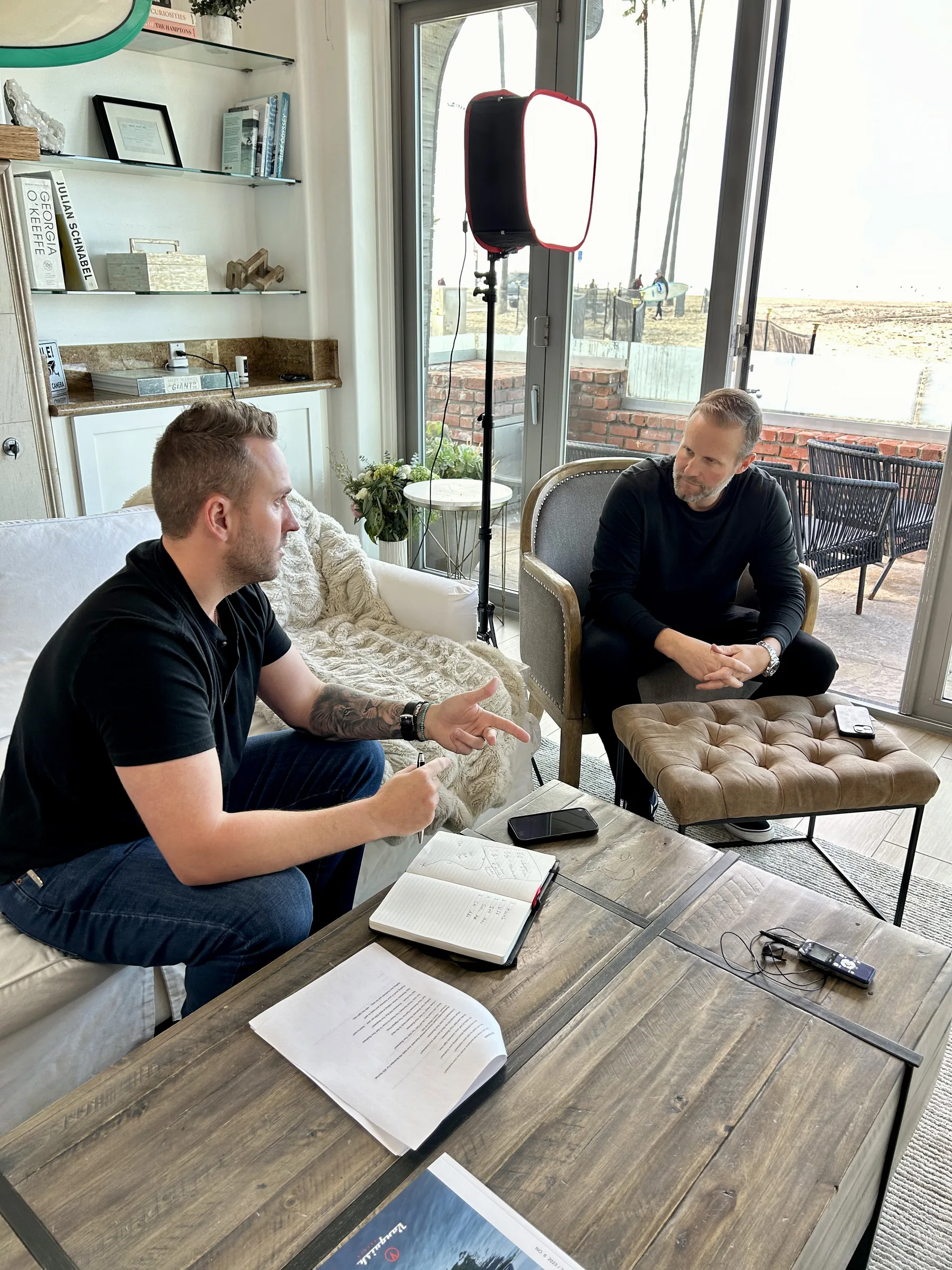
Scott Stepanik. Scott leads every FNDRS sale, from the first read of the numbers to the close, backed by the deal team.
A sale usually takes seven to twelve months from signing to the wire: preparation, then marketing to buyers, then selecting one, then diligence and closing. Preparation can add time before that, and the preparation is where most of the value is created. Every time given here is an estimate drawn from past engagements, not a commitment.
The Go-To-Market Analysis is $10,000, flat, and it is credited in full against the fee for the sale if you go on to engage us. A sale is a retainer and a success fee, and the retainer is credited against the success fee. The figures depend on the size of the business, so we set them with you on a call. On a sale we run for you, you are the only one who pays us. A buyer pays us nothing.
Usually a buyer wants them. A buyer is paying for what continues after you leave, and your people are a large part of that. What happens to them is a term, not a hope: roles, retention, and when and how they are told are agreed before you sign, not after.
It depends on the buyer and the structure. A strategic buyer with existing management may need three to twelve months of transition. A financial buyer buying a platform may want you for longer, sometimes with a continued equity stake. Your post-close role is one of the terms we negotiate.
Only the people you agree to. Buyers first receive a blind teaser with no identifying details. Anyone who wants more signs a non-disclosure agreement before receiving the CIM. We control who is contacted, in what order, and what they receive, and competitors and customers can be excluded at your direction.
A confidentiality agreement with FNDRS. It holds the buyer to using what it learns for this sale only, to no contact with your people, to not hiring them or going around us for twenty-four months, and to no teaming up with other bidders, and your company can enforce it directly. That is a summary of our standard form; the agreement each buyer signs governs.
No. On a sale we run for you, you are the client and the only one who pays us. A buyer pays us nothing, and nothing a buyer offers us changes the advice we give you.
Yes. Our advisory model is built so that we can afford to say not yet. Many founders who complete a Go-To-Market Analysis spend the following year moving up the range before they go to market.
What a buyer pays for
What a buyer pays for, and what it docks you
Two businesses with the same profit can sell for very different numbers. A buyer pays for revenue it can count on and discounts revenue that has to be won again every month. Across the founders we have assessed, customers love the business, and the revenue is the weak spot.
- Recurring and contracted revenue moves you up the range
- Revenue that walks out with the owner moves you down it
- A buyer prices the risk with a lower multiple, a longer earn-out, or both
Their customers love them. Their revenue is another story.
Founders who sold
The answers from the other side of a sale
Short films from owners who have been through it, on what surprised them, what took longest, and what happened to their team.
Bring us the question this page did not answer
One call with a dealmaker about your business, your numbers, and your timing. No obligation, and nothing signed.